
As Doctors we write about evidence- based facts and with that in mind select products we believe to be the best for our readers. Thelifestylecure.com is a participant of the amazon associates program and we may earn a very small commission from qualifying purchases at no extra cost to you.
What is Diabetes?
Diabetes Mellitus is a chronic, metabolic disease characterized by elevated levels of blood glucose (sugar). If not controlled, diabetes can lead to serious complications of the heart, blood vessels, nerves, eyes and kidneys.
Normally the pancreas releases insulin which helps glucose get into the cells to be used for energy. However, this function is impaired in those who have diabetes.
Types of Diabetes
Type 1 diabetes, also called insulin-dependent diabetes is caused by an autoimmune reaction. The immune system in this case attacks itself, specifically the pancreas, causing damage and destroying the cells that produce insulin.
Type 2 diabetes is more common and accounts for 90% of all diabetes cases. Here, the pancreas does not produce enough insulin or doesn’t use insulin well. This results in more glucose in the blood and less reaching the cells which can be harmful to many organs.
Although scary, type 2 diabetes can be reversed with lifestyle changes.
Gestational diabetes occurs when there is high blood sugar during pregnancy which can potentially affect the mother and the baby.
What is Prediabetes?
Prediabetes is a silent health condition which many Americans are unknowingly living with. Here, the blood sugar is higher than normal but not high enough to be considered type 2 diabetes.
Again, like type 2 diabetes, prediabetes can also be prevented and reversed with lifestyle changes such as a pre diabetic diet.
What is glycemic index?
The glycemic index (GI) is a scale that ranks carbohydrates-containing foods or drinks from 0 to 100 depending upon how much they raise blood glucose levels after it’s consumed. Low GI foods (≤ 55 GI units) are considered better for diabetics due to there slow and steady increase in blood glucose levels. High GI foods (≥ 70 GI units) increase blood glucose at a higher and faster rate and should be avoided as much as possible for those with prediabetes and type 2 diabetes.
Diabetes do’s and don’t’s
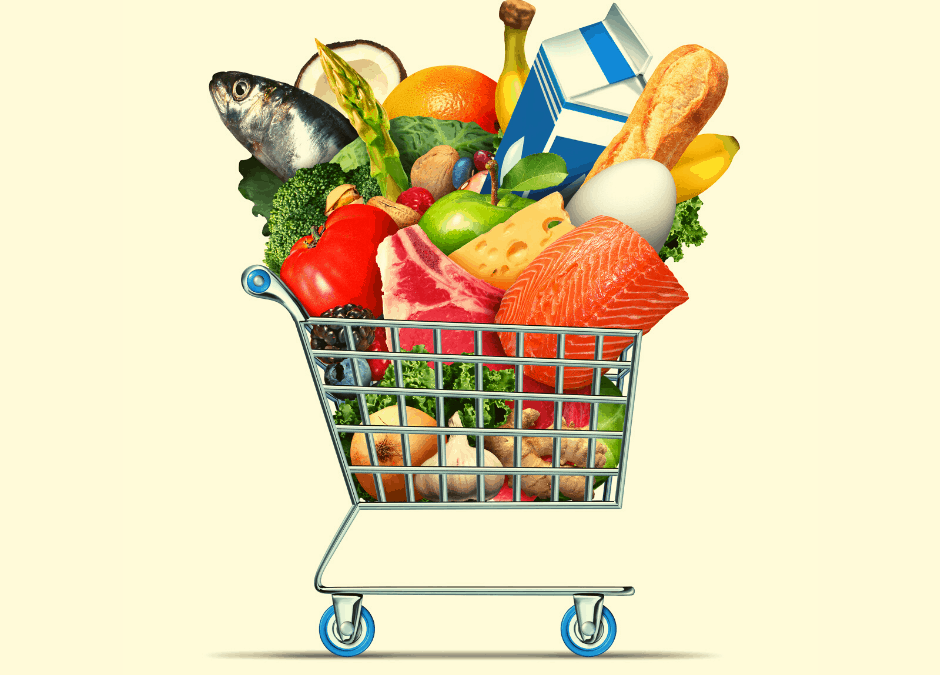
Diabetes do’s will always be whole foods. What does that mean? It means you should be eating foods like:Vegetables – are filled with fiber, protein and nutrients which helps to nourish the body, maintain blood sugar and keep you full. Non-starchy vegetables in particular are great for diabetics because they are low in carbohydrates keeping blood glucose under control.
Fruits – even though fruits contain carbohydrates diabetics can still have them, they just need to be counted as a part of your meal plan. It’s best to choose fruits that are fresh, frozen or canned without added sugars.
Unsalted Nuts and seeds – should be included in a diabetic diet because they contain magnesium and high levels of beneficial fats. These healthy fats help to both improve glycemic control and help diabetics reduce the risk of heart disease.
Whole grains – are foods with good sources of fiber which can help slow the absorption of glucose in the blood.
Beans – are packed with protein and fiber which have been shown to lower blood glucose levels in diabetics.
Lentils – are complex carbs meaning they are high in fiber and digest slowly. They help not only control blood glucose levels but also appetite.
Fermented foods- are rich in fiber which can stabilize blood glucose and help in weight loss. One study in particular showed these foods to reduce fasting blood glucose, postprandial blood glucose, glucose intolerance and insulin resistance.
Eggs – have a low GI score, great for your waistline and are high in protein which is why it can be included in a diabetic diet. However, it’s important to eat in moderation as it can affect cholesterol which is something to be mindful of since diabetes is a risk factor for cardiovascular disease.
Avocados- have many diabetes benefits including low in carbohydrates, high in fiber, may help with weight loss and improve insulin sensitivity.
Organic, grass fed animal-protein – are loaded with complete protein, rich in vitamins and minerals, and contain healthy omega-3 fatty acids all things good for a diabetic diet.
Herbs and Spices – are great to add to your dishes for flavor, satiety and a whole host of benefits. Particularly for diabetics, they bioactive compounds found in many culinary herbs and spices showed reduced blood glucose and fat.
0 comments:
Post a Comment