For most of us, dialing back on sugar and simple carbs is an effective way to fast-track weight loss. But for those living with diabetes, it can be a matter of life and death. That's why it's important to know the best foods for diabetics (and which foods diabetics should be mindful of).
Diabetics are two to four times more likely than people without diabetes to die of heart disease or experience a life-threatening stroke, according to the American Heart Association. And for those who don't properly control their condition, the odds of health issues—which range from cardiovascular trouble to nerve damage and kidney disease—increases exponentially.
Luckily there are plenty of delicious foods that are compatible with diabetes.
The best foods for diabetics are low-carb, low-sugar, and high in fiber, digestion-slowing macronutrients like healthy fats and protein, and high in flavor. These diabetes foods are recommended by registered dietitians and certified diabetes educators:Jackie Newgent, RDN, CDN, culinary nutritionist, and author of the Silver Nautilus Book Award-winning The All-Natural Diabetes Cookbook
Elizabeth Snyder, RD, LD, CDE, a diabetes outreach coordinator and certified diabetes educator at The Ohio State University Wexner Medical Center
Lori Zanini, RD, CDE, and author of the Diabetes Cookbook and Meal Plan for the Newly Diagnosed
Erin Spitzberg, MS, RDN, CDE, and author of Eat Like a Normal Person
Nicole Anziani, MS, RD, CDN, CDE
Byron Richard, MS, RD, CDE, Clinical Nutrition Manager UC San Diego Health
Jenna Braddock, RDN, CSSD
Sarah Koszyk, MA, RDN
Miriam Jacobson, MS, RD, CNS, CDN
These superfoods will keep your blood sugar in check without skimping on flavor. Bonus: Most of these foods are also packed with essential vitamins and antioxidants to fight off inflammation and keep your energy levels high.
1
Quinoa
 Shutterstock
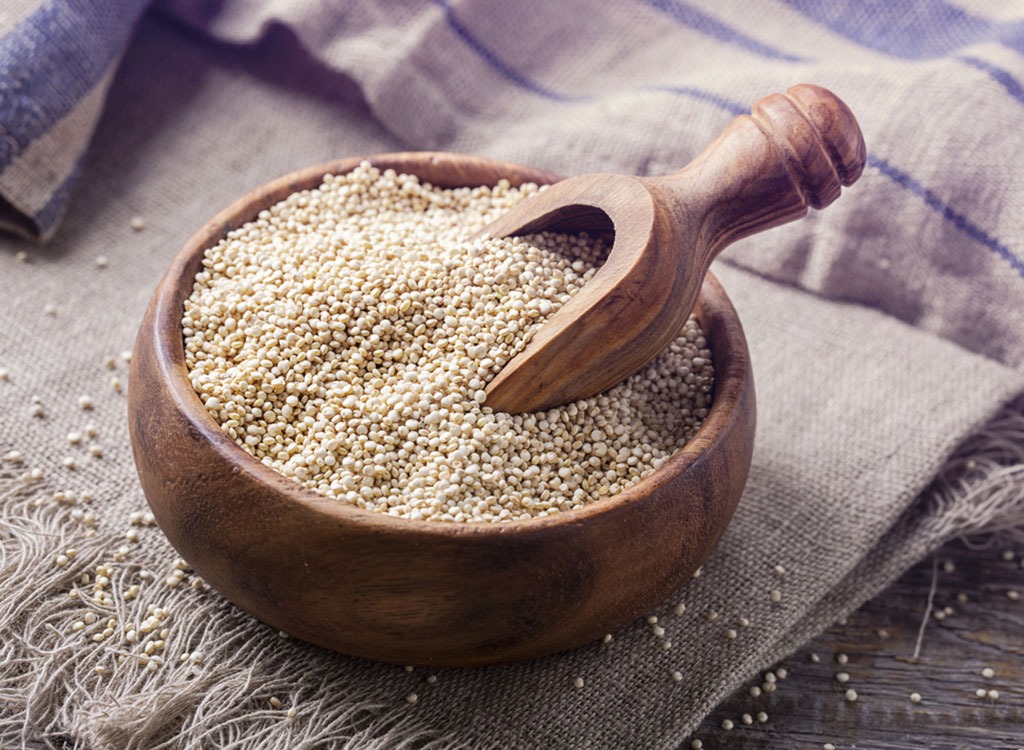
This nutty, trendy whole grain is a good source of fiber and protein, making it a smart pick for a diabetes diet, Sarah Koszyk, RDN tells us. "With the fiber and protein combination found in quinoa, you'll feel fuller and have better blood sugar control. Protein also helps with the uptake of carbohydrates so the body can process them more easily. I suggest enjoying quinoa in a salad or casserole."
2
100% Whole Wheat bread
 Shutterstock
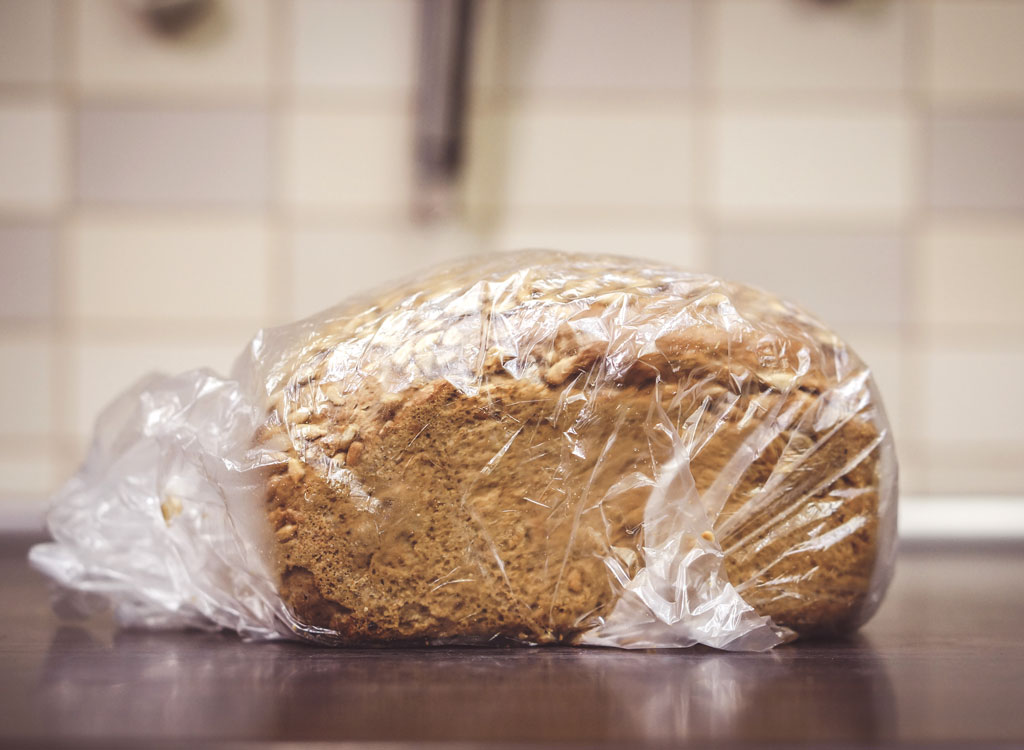
Elizabeth Snyder, RD, LD, CDE says you can still eat carbs if you're diabetic. You just have to watch out for portion sizes: "The trouble [with eating carbs as a diabetic] lies in eating more carbohydrates than we need, as the body will choose to store any extra energy as fat," she says. So, rather of cutting out carbs entirely, Snyder recommends switching to complex carbs, such as 100% whole wheat bread, which are higher in vitamins, minerals, and blood-sugar-managing fiber than their simple, refined counterparts.
3
Beans
 Shutterstock
"Beans provide a notable combination of plant protein and soluble fiber that can help boost feelings of fullness and manage blood sugar levels," Jackie Newgent, RDN, culinary nutritionist, and author of The All-Natural Diabetes Cookbook explains. "Replacing some meat with beans can play a helpful role in heart health," which is particularly important for diabetics as heart disease is one of the most common complications of diabetes. Consider adding kidney beans to soups and black beans to your casseroles to boost your intake of the legumes.
4
Lentils
 Shutterstock
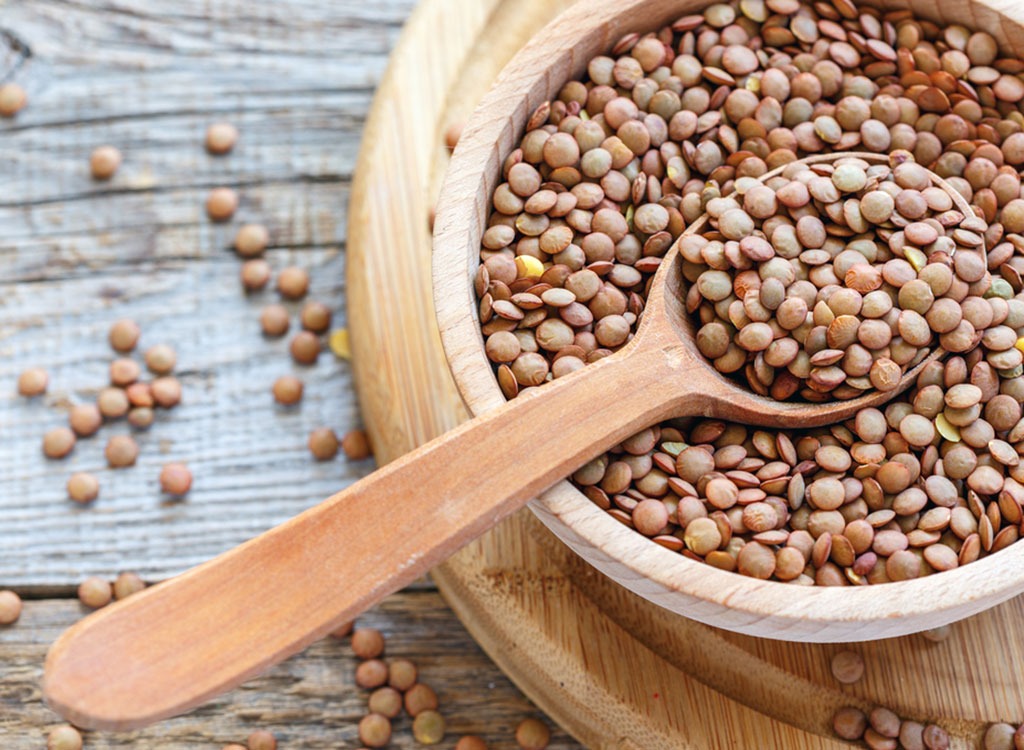
Lentils are rich in something called resistant starch: a type of carb that has a very minimal impact on your blood sugar levels because it passes through the body undigested and ultimately ends up feeding the healthy bacteria at the bottom of your digestive tract. So, not only will lentils help keep your blood sugar levels more even-keeled, they'll also help to improve your gut health.
5
Wild Salmon
 Shutterstock
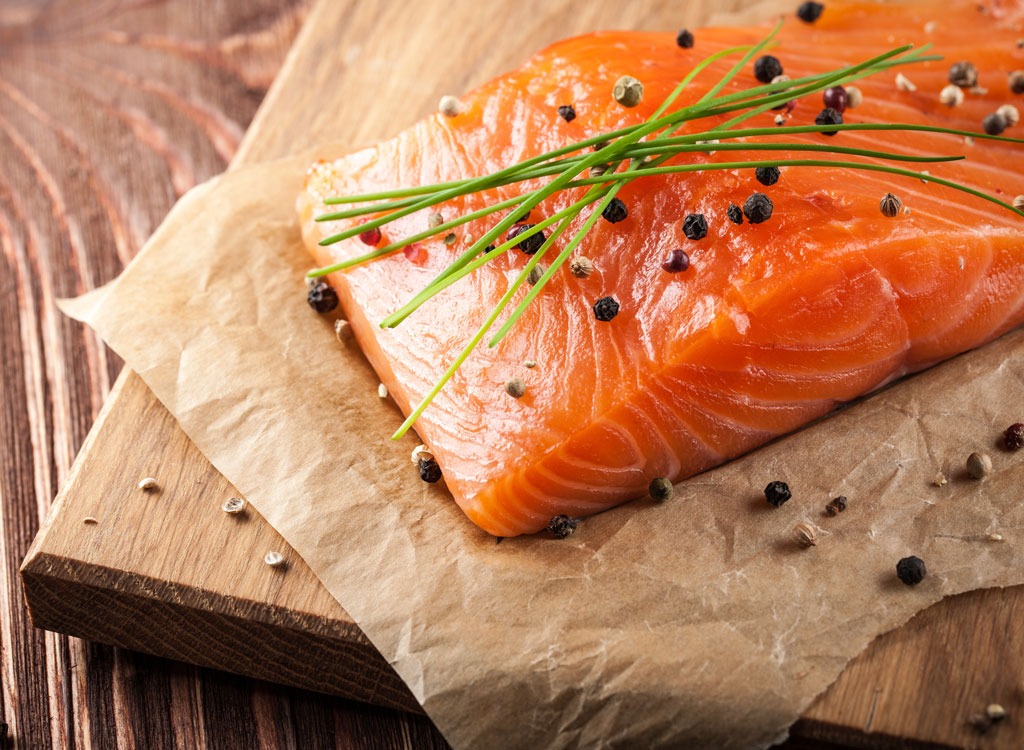
"Salmon is a smart addition to anyone's eating plan, but for individuals with diabetes, it's especially beneficial," Lori Zanini, RD, CDE tells us. Here's why: "It's a healthy protein source that will not raise blood sugar levels and will help to decrease the risk of heart disease and stroke—a major concern for diabetics." Salmon's heart-healthy qualities come from its high levels of omega-3 fatty acids. This particular fat reduces levels of triglycerides, a risk factor for coronary heart disease, according to a review in the journal Endocrine Practice.
6
Greek Yogurt
Looking for a protein-packed way to fuel your morning? Greek yogurt is the answer. "It naturally contains both carbohydrates and protein, which is a perfect combination to help control hunger levels and blood sugars," says Koszyk. "Plus, choosing Greek yogurt will give you more protein and fewer carbohydrates than regular yogurt, which can help better control blood-sugar levels. Enjoy yogurt in a smoothie or as a snack paired with some berries and chia seeds."
7
Spinach
"Leafy greens, like spinach, are great non-starchy vegetable options because they contain lutein, an important nutrient for eye health. This nutrient is essential for people with diabetes since they have a higher risk for blindness than those without diabetes," explains Newgent. That's not all spinach has going for it. A study published in the journal Archives of Internal Medicine found that adults who consumed 4,069 milligrams of potassium per day had a 37 percent lower risk of heart disease compared to those who consumed only 1,793 milligrams. Just one cup of cooked spinach contains 839 milligrams of potassium (which is equivalent to what's in 2 medium bananas) or 20 percent of that target intake.
8
Berries
Craving a treat? Consider berries your go-to when your sweet tooth strikes. "Strawberries, blueberries, raspberries, and blackberries are all low on the glycemic index and are considered to be superfoods for diabetics," Koszyk explains. The combination of being low in sugar and high in fiber contributes to their diabetes-friendly ability to gradually raise blood sugars. An added bonus: according to two recent animal studies, consuming a diet rich in polyphenols—a naturally occurring chemical found abundantly in berries—can decrease the formation of fat cells by up to 73 percent!
9
Broccoli
"Cruciferous vegetables like kale, broccoli, cauliflower, brussels sprouts and cabbage are high in something called sulforaphane," Miriam Jacobson, RD, CDN says. "The compound helps reduce oxidative stress and vascular complications associated with diabetes like heart disease and neuropathy, a term used to describe a problem with the nerves."
10
Ground Flaxseeds
Add a satisfying crunch to your favorite oatmeal, salad, soup, or smoothie with the help of ground flaxseeds, a potent superfood for people with diabetes. "Ground flaxseeds contain lignans (a plant-based chemical compound) and fiber which help maintain blood sugar levels and glycemic control," Koszyk explains.
11
Raw almonds
"I often recommend an ounce of almonds as a snack," Zanini tells us. "Almonds don't raise blood sugar levels and are a great source of magnesium, a nutrient that improves insulin sensitivity."
12
Chia Seeds
"Chia seeds are a heart-healthy fat that contains fiber and omega-3s," Koszyk explains. "Research suggests that chia seeds help control blood glucose. And it's all thanks to the fiber content slowing the passage of glucose into the blood. Also, fiber fills us up which reduces our appetite and helps us eat less." Koszyk suggests enjoying chia seeds in yogurt, fruit and veggie smoothies, or salads.
13
Avocado
What's better than avocado toast? Perhaps it's the fact that this fatty fruit can help you maintain healthy blood sugar levels, making it one of the best foods for diabetics watching their blood glucose levels. "Avocados contain a significant amount of healthful fats and dietary fiber, which help slow carbohydrate digestion and absorption and prevent spikes in blood sugar," Newgent tells us.
14
Extra Virgin Olive Oil
It's time to upgrade your cooking oil. Extra virgin olive oil is rich in monounsaturated fats, which studies show can actually help lower levels of 'bad' LDL cholesterol. This is particularly important since diabetics have a higher risk of experiencing a heart attack or stroke. And get this: Snyder says losing just 7 percent of your body weight (if you're overweight) can result in significant health benefits for diabetics. Luckily for you, EVOO is rich in oleic acid, which a Journal of Lipid Research study found helps reduce lipogenesis, or fat formation.
15
Peanut Butter
"When living with diabetes, eating a filling breakfast is an essential way to start the day," says Erin Spitzberg, MS, RDN, CDE, and author of Eat Like a Normal Person. "Adding a little fat for added satiety can help," she explains. She recommends pairing up your favorite breakfast carb—either a slice of whole grain toast, bowl of steel-cut oats, or high-fiber cereal—with 1 tablespoon of natural peanut butter. "The peanut butter adds approximately five grams of fat, which will help slow digestion and keep you full a little longer."
16
Kale
Kale is called a superfood for good reason! Rich in fiber—with 16 grams, or over 60 percent of your daily recommended intake, of the digestion-slowing nutrient in just one cup—and low on the glycemic index, kale can help improve blood glucose control.
17
Garlic
Despite what you may think, nixing sugar or salt doesn't have to be synonymous with bland, cardboard-like dishes. "So often, we think about what we can't eat when we start cutting out sugar. Instead, focus on ways to add more flavor to the foods you are eating," suggests Zanini. "There are so many great ways to add flavor without adding sugar or salt." Add a couple of crushed cloves of garlic to your marinara sauce or saute broccoli in a blend of extra virgin olive oil, chopped garlic, and crushed red pepper flakes.
18
Cinnamon
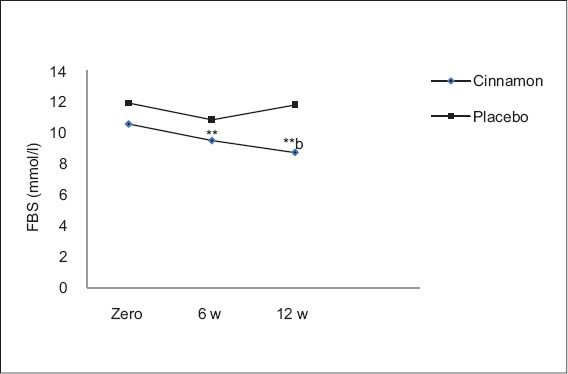
A series of reviews printed in the American Journal of Clinical Nutrition discovered that adding a heaping teaspoon of cinnamon to a starchy meal like overnight oats could help stabilize blood sugar, ward off insulin spikes, and decrease fasting blood sugar. Experts believe that the spice's powerful antioxidants, known as polyphenols, are at work; these active compounds have been proven to improve insulin sensitivity and, in turn, your body's ability to store fat and manage hunger cues.
19
Tuna Fish
Want to continue munching on your favorite crackers without fretting too much over your blood sugar levels? Consider pairing the crunchy snack with a can of tuna. Depending on the amount of healthy fats and protein you pair with your carb-laden snack, your body can digest the carbs much slower than you could if you ate the carbs alone. In fact, Tufts University researchers recently presented the results of a study which found that eating protein- and fat-rich tuna fish with a slice of white bread produced a slower rise in blood sugar than when eating carbs alone.
20
Asparagus
Your favorite grilled veggie is more than just a tasty side. Because asparagus is rich in folate—just four spears contain 89 micrograms of the nutrient, or roughly 22 percent of your recommended daily value—it's one of the best foods for diabetics. According to a meta-analysis published in Diabetes Research and Clinical Practice, folic acid supplementation can lower cardiovascular risk among patients with Type 2 diabetes by reducing homocysteine levels, an amino acid that's been linked to increased risk of mortality when present in high levels in diabetic patients.
21
Red Onion
Trust us: it's worth the tears. A Canadian study published in the American Journal of Clinical Nutrition discovered that a type of gut-healthy insoluble fiber found in onions, called oligofructose, can increase levels of ghrelin—a hormone that controls hunger—and lower levels of blood sugar. This allium can help diabetics in another way, as well. Thanks to their bioactive sulfur-containing compounds, onions can help lower cholesterol, ward off hardening of the arteries, and help maintain healthy blood pressure levels, according to a study published in the Evidence-Based Complementary and Alternative Medicine.
Pro tip: Eat your onions raw whenever you can for better benefits; a Journal of Agricultural and Food Chemistry study found the cholesterol-lowering properties were stronger in onions that were raw compared to those eaten cooked. Think: pico de gallo, sliced onions on sandwiches and burgers, or served in a Greek cucumber and tomato salad.
22
Zucchini
If you love spaghetti and meatballs, swapping in veggies for grains should be your go-to move if you have diabetes. "Zucchini noodles and spaghetti squash are both easy and delicious ways to lower the amount of carbohydrates in some of your favorite dishes," says Zanini.
23
Green Tea
Zanini is a huge fan of green tea—and with good reason. Because it is hydrating and filling, green tea can help prevent overeating, which will both stabilize blood sugar levels and aid weight loss efforts by boosting feelings of satiety. "This drink also increases your metabolism and reduces fat storage," Zanini adds.
24
Oats
"Oats contain a type of fiber called beta-glucan, which seems to have an anti-diabetic effect," explains Newgent. Specifically, a review published in Vascular Health and Risk Management concluded that beta-glucans help to reduce high blood sugar and blood pressure, adding, "I advise people with diabetes to steer clear of added sugars by enjoying savory rather than sweet oatmeal." Try making oatmeal overnight with one of our overnight oats recipes for weight loss.
25
Cauliflower
Check out the power of the cauliflower. Grate it up, and cauliflower rice is a great low-carb substitute for refined white rice, which can help keep your blood sugar levels more stable. Plus, cauliflower is rich in sulforaphane: a compound which a Science Translational Medicine study found can inhibit glucose production in cells and improves glucose tolerance in rodents on high-fat or high-fructose diet.
26
Broccoli Sprouts
You may not think much of broccoli sprouts when they pop up on your salad or sandwich, but these little guys are a powerful anti-inflammatory. They're packed with sulforaphane, which may help protect against cancer according to a study published in Cancer Prevention Research. Rich in fiber, broccoli sprouts are "a potent detoxifier and play a role in decreasing cancer risk," says Nicole Anziani, MS, RD, CDN, CDE and Clinical Manager at Fit4D.
27
Edamame
"Edamame delivers a unique nutrition profile that could offer multiple benefits for those living with diabetes," Jenna Braddock, RDN, CSSD, sports dietitian and blogger at MakeHealthyEasy. "First, the fiber content of one cup is a staggering 10 grams, which could be very helpful in regulating blood sugar spikes and also contributes to reducing risk for heart disease. Second, as a plant-based source of protein, it could help reduce disease risk factors when it replaces meat in the diet. Lastly, edamame is a good source of the essential nutrient choline, and research shows that 9 out of ten Americans don't get enough of in the diet. Choline is important for helping to reduce homocysteine levels in the blood, a marker connected to increased risk of heart disease and connected to vascular disease in diabetes."
28
Carrots
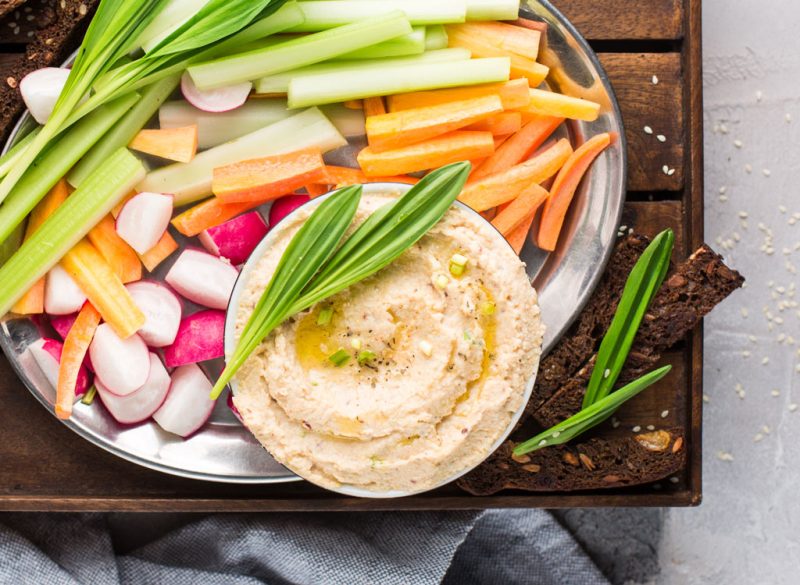
Instead of reaching for pretzels, chips, or another high-carb, high-calorie snack, carrots make for a healthy, low-calorie alternative. They are packed with vitamins C, D, E, and K, and the antioxidant beta-carotene, and make for a good low-carb snack when dunked in hummus or guacamole.
29
Eggs
Eggs are a great source of protein. Anziani recommends opting for pasture-raised, organic omega-3 eggs. "The yolk will concentrate the omega-3 fed to the chickens," she says, adding that these eggs are "a good source of choline and protein, but limit to under five per week."
30
Tomatoes
Instead of choosing starchier veggies that can raise blood sugar, Anziani likes tomatoes to add to a salad or as a snack for a flavorful option that's low-calorie. They are also a good source of the antioxidant lycopene, which can help fight inflammation.
 Starches are long chains of glucose (sugar) found in oats, grains, bananas, potatoes and various other foods.
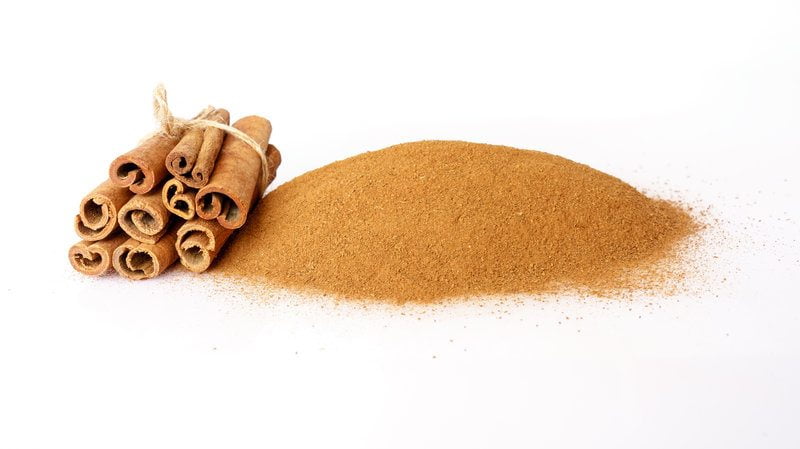 Cinnamon has been used for its medicinal properties since Ancient Egypt and China.